2023 ACHA Election: Voting Open Through Oct. 1
This fall, members will elect a new vice president and two Executive Council members via online ballot.


This fall, members will elect a new vice president and two Executive Council members via online ballot.
Msgr. Trisco served as the Association’s Executive Secretary for 48 years and was the Catholic Historical Review’s managing editor for nearly as long.
In this issue, ACHA President Michael Pasquier remembers Dr. Jay Dolan, the founding director of the Cushwa Center who died in May; We announce the launch of the new Trisco-Minnich Prize for Editing; and we introduce the 2023 summer grant winners.a
Revisions allow for more online activity, clearer delineation of administrative roles.
The American Historical Association has extended its submission deadline to March 6. The deadline for submissions to the ACHA remains March 15.
In this issue: Meet our new president, Michael Pasquier; marking one year of the New Books in Catholic Studies podcast; and the call for papers for our 2024 Annual Meeting in San Francisco.
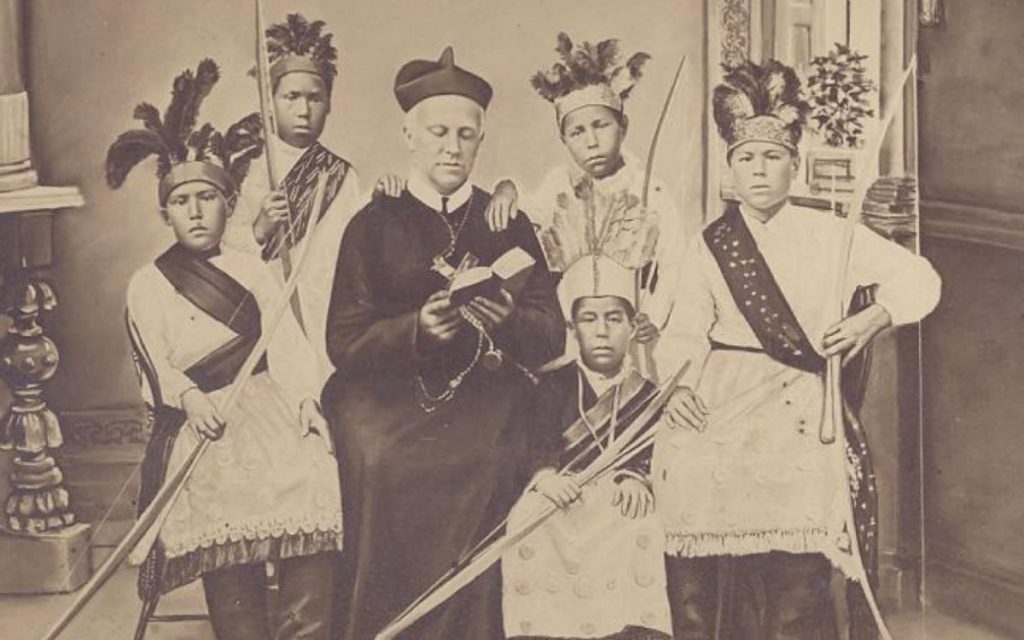
The ACHA has begun awarding of individual grants as part of its project to reckon with the history of the Catholic Church’s involvement with Native American boarding schools. Learn about the recipients and their work.
Meserve’s work examines the publication of news, information, propaganda, and disinformation in Rome in the first decades after the arrival of print
Ph.D. candidate in History at Penn State University honored for his queer analysis of the 18th-century convulsionnaires.
The Cushwa Center talks with the William & Mary professor about her winning work, Abandoned Faithful: Race and International Law in the Aftermath of the Haitian Revolution.
Dr. Bynum is a groundbreaking scholar, whose work has profoundly transformed our understanding of the depth and complexity of religious ideas from antiquity to the sixteenth century.
At every level, from the undergraduate classroom and Ph.D. mentoring at the University of Iowa, Nabhan-Warren’s generous, joyful encouragement of scholars of Catholicism making their way in the field is a gift to scholars of Catholicism.
For over five decades, the IBCS has provided truly extraordinary historical, theological and pastoral training in Black Catholic Studies to the Black Catholic Community, the broader Church, the scholarly community and the wider public.
The Archdiocese of New York announced the death of the longtime Fordham professor and ACHA member.
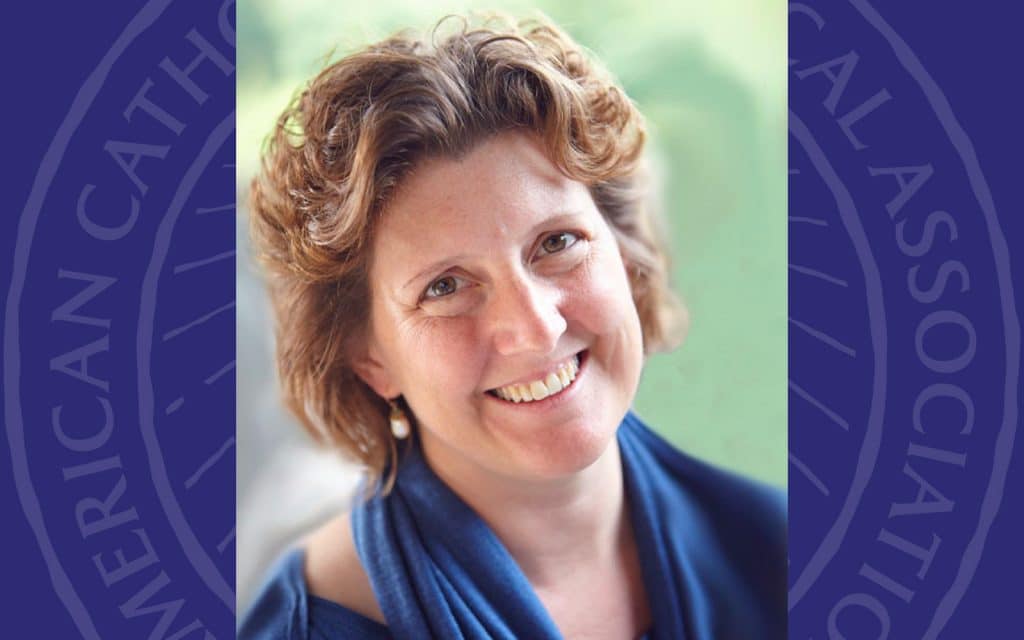
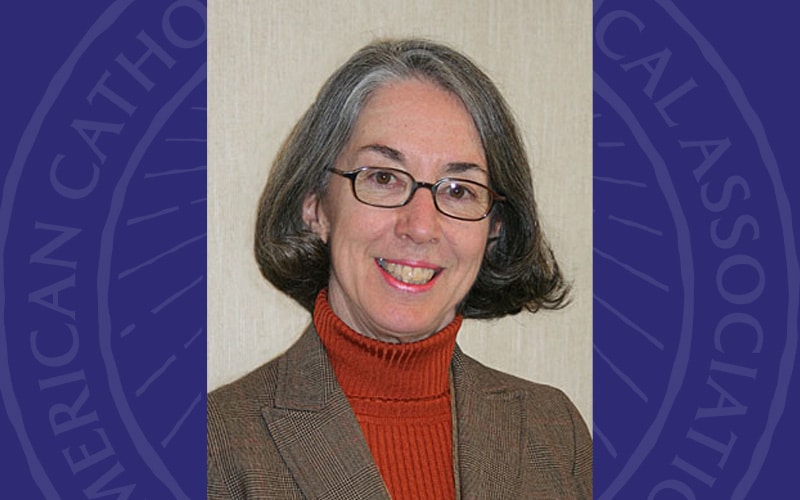
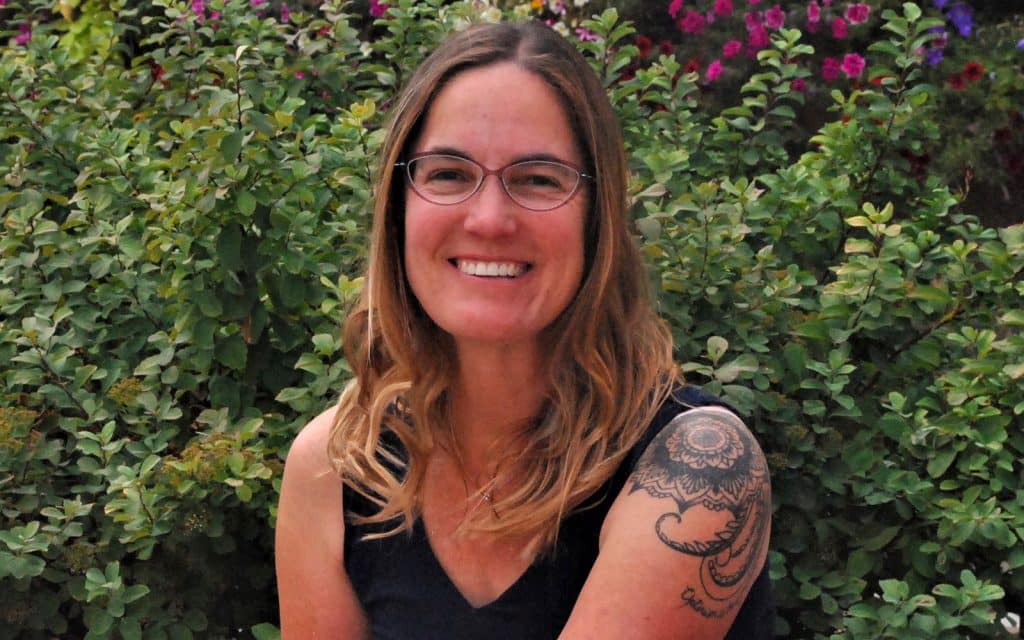
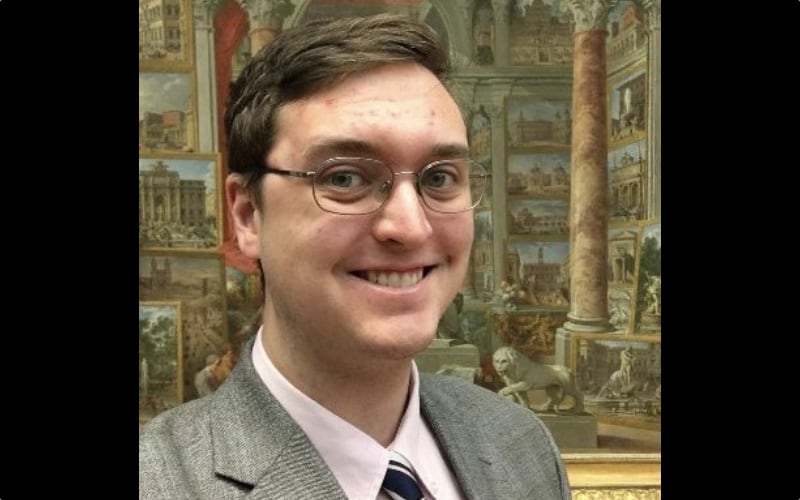
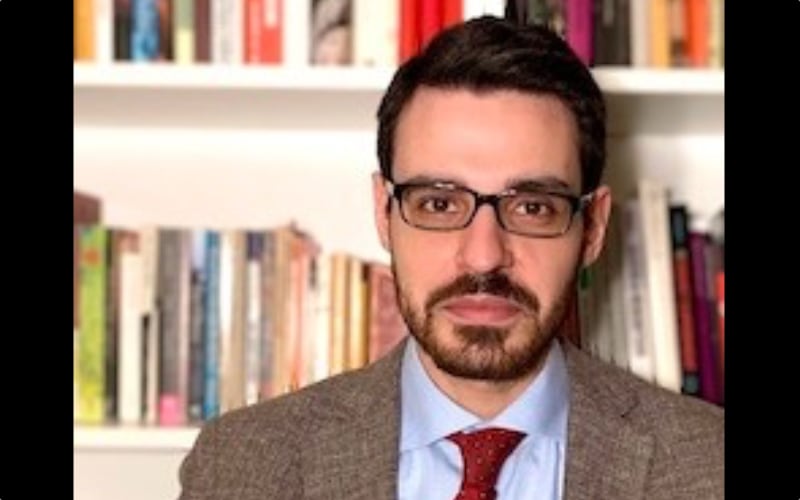
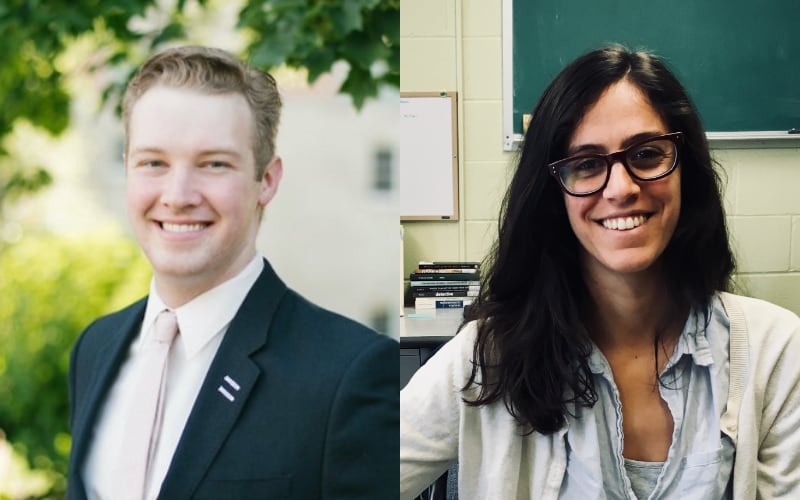
The ACHA welcomes its incoming officers: Vice President Anthony Smith, Executive Council Members Tuan Hoang and Karen Park, and Grad Student Rep Sofia Maurette.
The Virginia Museum of History & Culture is accepting applications for research fellowships of up to three weeks a year to promote the interpretation of Virginia and access to its collections with a weekly stipend of $1,000 and $500 for local mileage.
Application deadline: January 27, 2023.
ACHA President Brenna Moore remembers John W. O’Malley, SJ, one of the great contributors to our Association.
This week, we explore two noteworthy collections from the Archdiocese of New Orleans: The Archbishop Joseph Rummel Collection and the sacramental registers Collection.
The Joseph H. Fichter, S.J. Papers document the life and work of the prominent priest, scholar, and social reformer. Born in 1908 in New Jersey, Joseph Fichter entered the New Orleans province of the Society of Jesus in 1930 and was ordained in 1942. He received a Ph.D. in Sociology from Harvard in 1947 and …
This week we explore the letters of Srs. Madeleine Sophie and Mary Frances, who each served as dean of Xavier University of Louisiana as many of their students went off to fight in World War II.
$75,000 grant will be used to foster conversation and collaboration between historians, religious archives, and Native communities.
All this week, February 21, 24, and 26, a number of ACHA panels for the New Orleans ACHA meeting that weren’t able to present in person will be part of AHA22 Online.
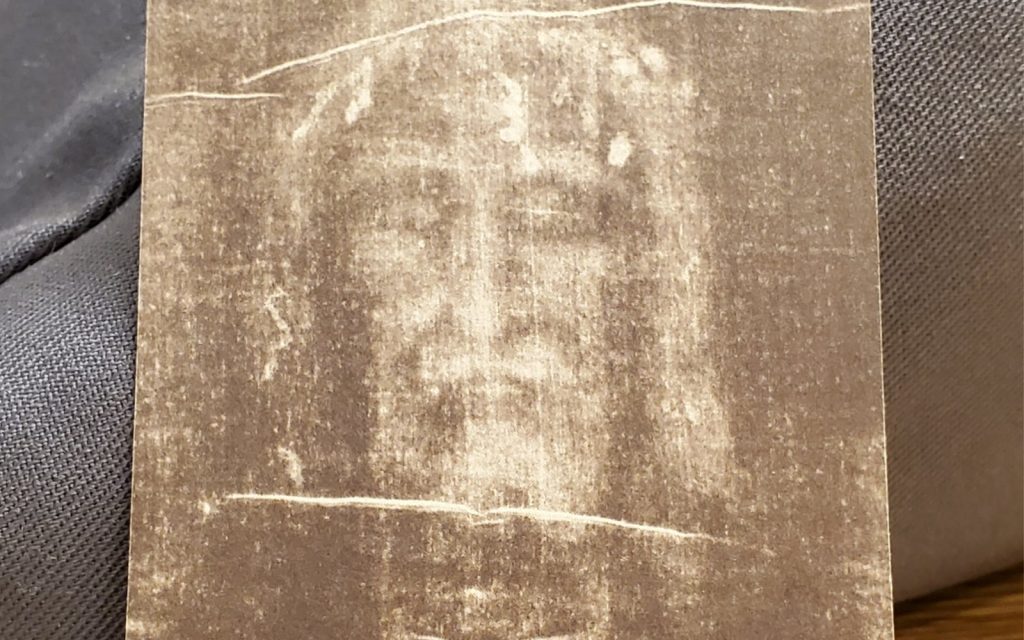
Our #HiddenCatholicCollection this week highlights a collection held in the Redemptorist Archives in Philadelphia about a devotional object which has managed to captivate pilgrims and skeptics alike: the Shroud of Turin.
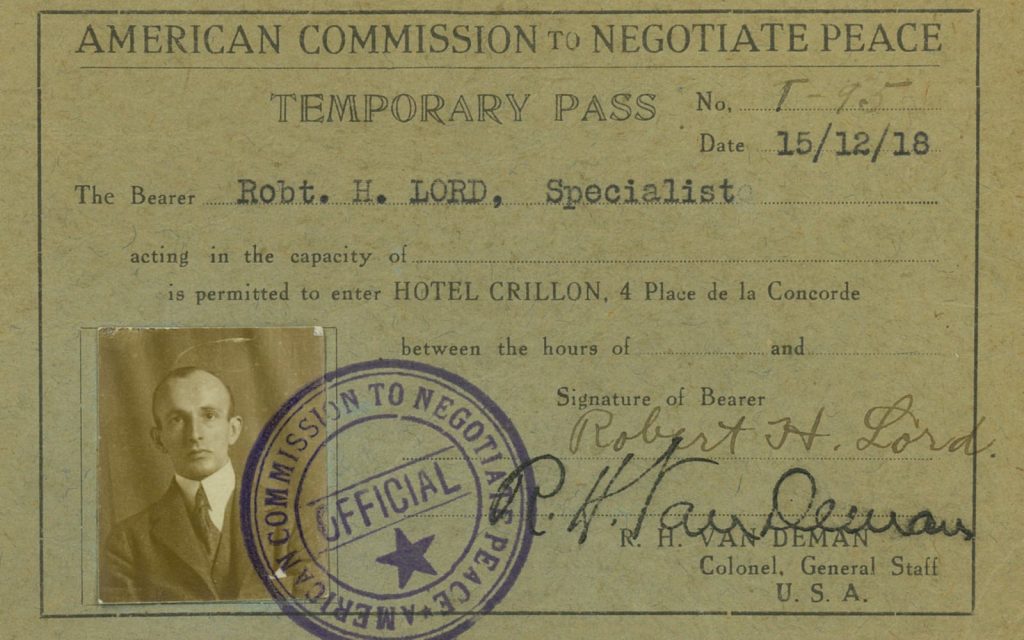
The Robert H. Lord papers held by the Roman Catholic Archdiocese of Boston span the years 1842 to 1988. The collection consists of handwritten and typed correspondence, manuscripts and drafts, research materials, sermons, notes, and photographs.
This week’s #HiddenCatholicCollections features the Jesuit mission to Zambia, undertaken by the Irish Province of the Society of Jesus (Jesuits), from 1946-1969. Zambia (Northern Rhodesia) was the third overseas mission for Irish Jesuits, after Australia (1865) and Hong Kong (1926), and was initially called the Chikuni Mission.
In our last newsletter of 2021, we remind you that last-minute registration for the Annual Meeting is still open; the Scranton call for papers deadline is Jan. 10; and invite you to listen to our newest podcast episodes.
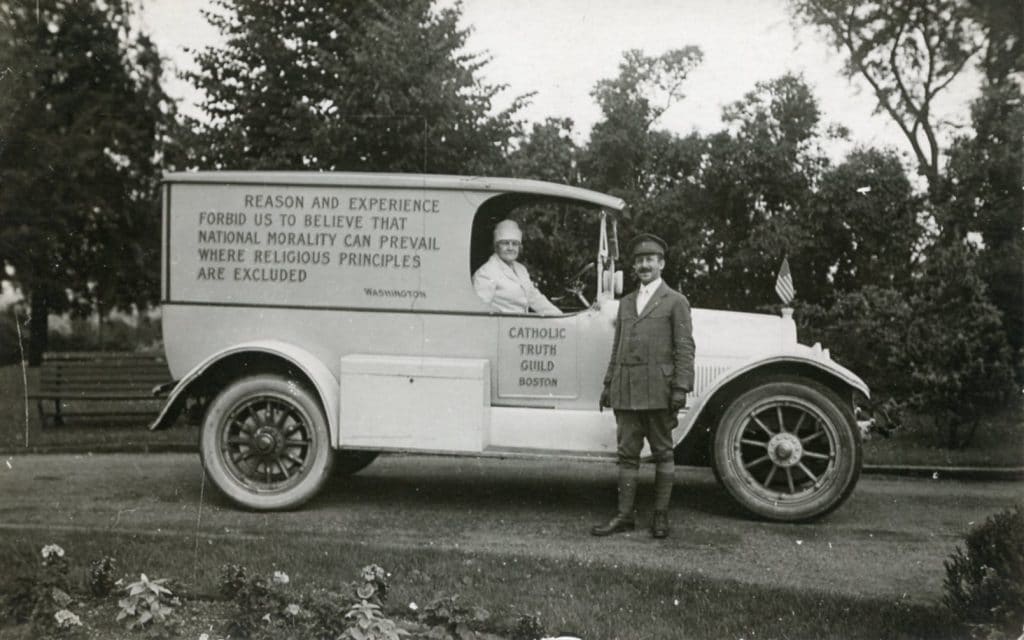
The David Goldstein and Martha Moore Avery papers relate mainly to their association with and disavowal of Socialism, their conversion to Catholicism, and their subsequent lecture tours.
Clericus is a digital humanities research project that aims to develop a database on the Irish clerical population for the early modern and modern periods.
Upcoming issue will examine U.S. Catholic historiography.
Submission deadline: November 1, 2022
Rev. Kevin P. Spicer, CSC, (distinguished scholarship); Rev. Steven Avella (distinguished teaching), and the Cushwa Center are honored for their extraordinary contribution to the field of Catholic studies.
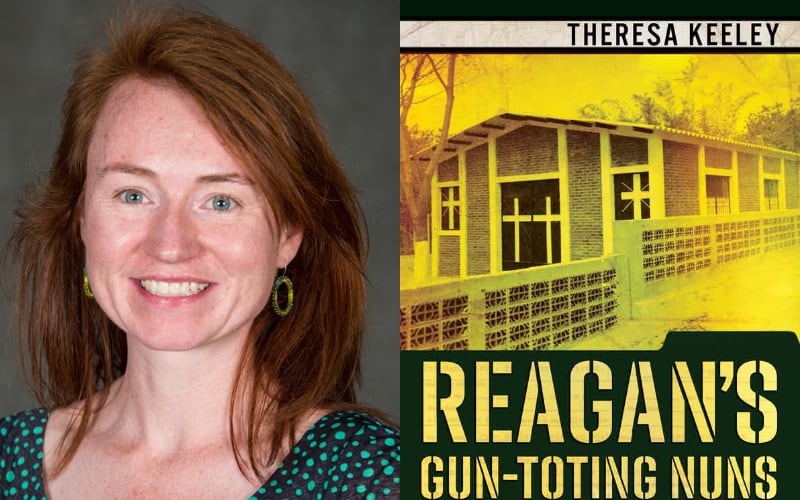
Keeley’s Reagan’s Gun-Toting Nuns: The Catholic Conflict Over Cold War Human Rights Policy in Central America receives the the prize that honors the book that has “made the most original and distinguished contribution to the history of the Catholic Church.”
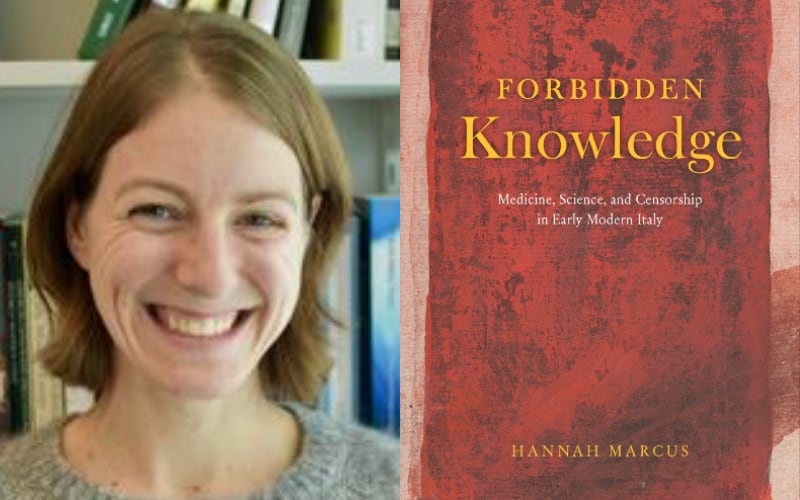
Marcus receives the book prize in Italian history for “an unexpected discovery of how the censorship process, expurgating books and licensing readers, contributed to the professionalization of medical science and practice.”
“From the Dove to the Eagle: Jansenist Visual Culture Between Piety and Polemic”was published in the Fall 2021 issue of the Catholic Historical Review.
The Fordham Ph.D. student is honored for his in-progress dissertation, “The Catholic Counter-Revolution: A Global Intellectual History, 1780s-1840s”
Sean Jacobson (Loyola University Chicago) and Sofía Maurette (University of Maryland) were recognized for their outstanding papers that will be presented at the 2022 Annual Meeting. The grant will be used to fund travel to New Orleans.
In this update, we’re announcing our slate of 2021 award winners. Also: no-fee registration for the Annual Meeting in New Orleans is open, and the Spring Meeting call for papers is open through January 10.
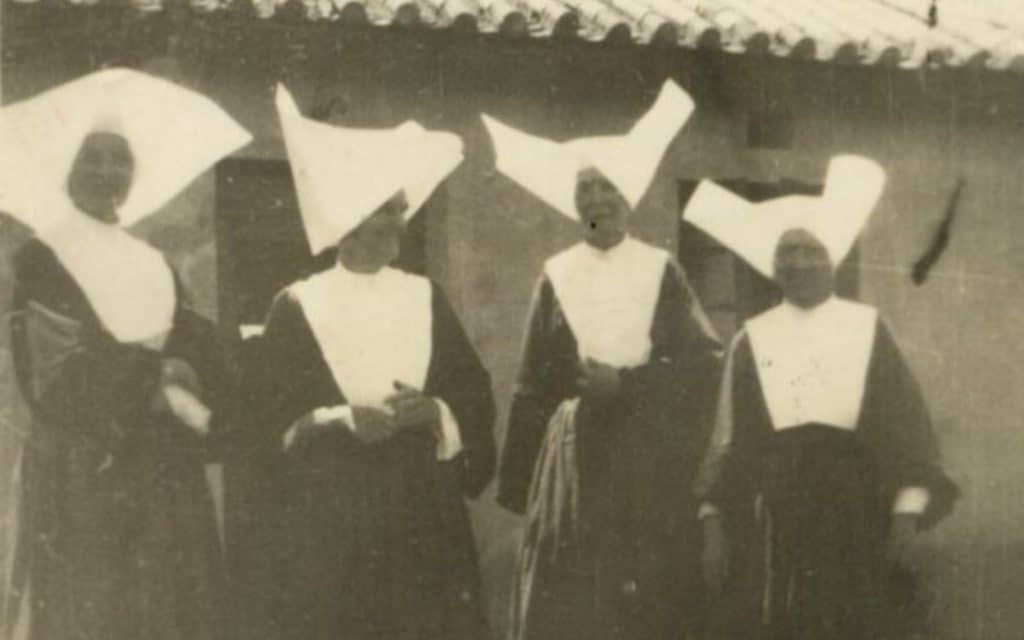
The Adorers of the Blood of Christ were founded in Italy in 1834. In 1870, a group of Adorers from Baden, Germany came to the United States. In 1876, with Clementine Zerr as their leader, the group moved to Ruma in rural southern Illinois, a place that would eventually house its first U.S. motherhouse.
Incoming vice president Michael Pasquier leads the slate of officers who will begin their terms in January.
The World War II collection at the Daughters of Charity Archives, Province of St. Louise documents the American community and its efforts to assist the refugees of the War alongside the Catholic War Relief Services on the European front and its sisters’ time as nurses in the interior of China on the Pacific front.
This week we feature the papers of Sister Marie Augusta Neal, SNDdeN (1921-2004), sociologist and Chair for the Sociology Department at Emmanuel College, Boston, MA.